
Latest Posts
-
Leaders often avoid difficult conversations, thinking it preserves harmony, but this can undermine trust and accountability. Addressing issues fosters growth and clarity in relationships.

-
Reflecting on leadership reveals how busy work can obscure real progress. Taking time to evaluate actions can lead to better outcomes and sustainable growth.

-
Leaders often believe they must provide all answers, which can limit team independence. Encouraging critical thinking fosters stronger, more capable teams, essential for business sustainability.

-
Effective leadership in small businesses requires empowering teams rather than maintaining control, fostering growth, and enabling decision-making for sustainable success. Reflect on your team’s capabilities.

-
Many capable leaders hesitate to share their valuable experiences, fearing inadequacy. Sharing lessons can empower others, making your voice a valuable asset worth amplifying.

-
As businesses grow, leaders often become bottlenecks due to over-involvement. Empowering teams through clear boundaries fosters ownership, accountability, and organizational independence.

-
Effective leaders support growth by avoiding the urge to solve problems for their team. Empowerment involves guiding others to develop their own solutions and capabilities.

-
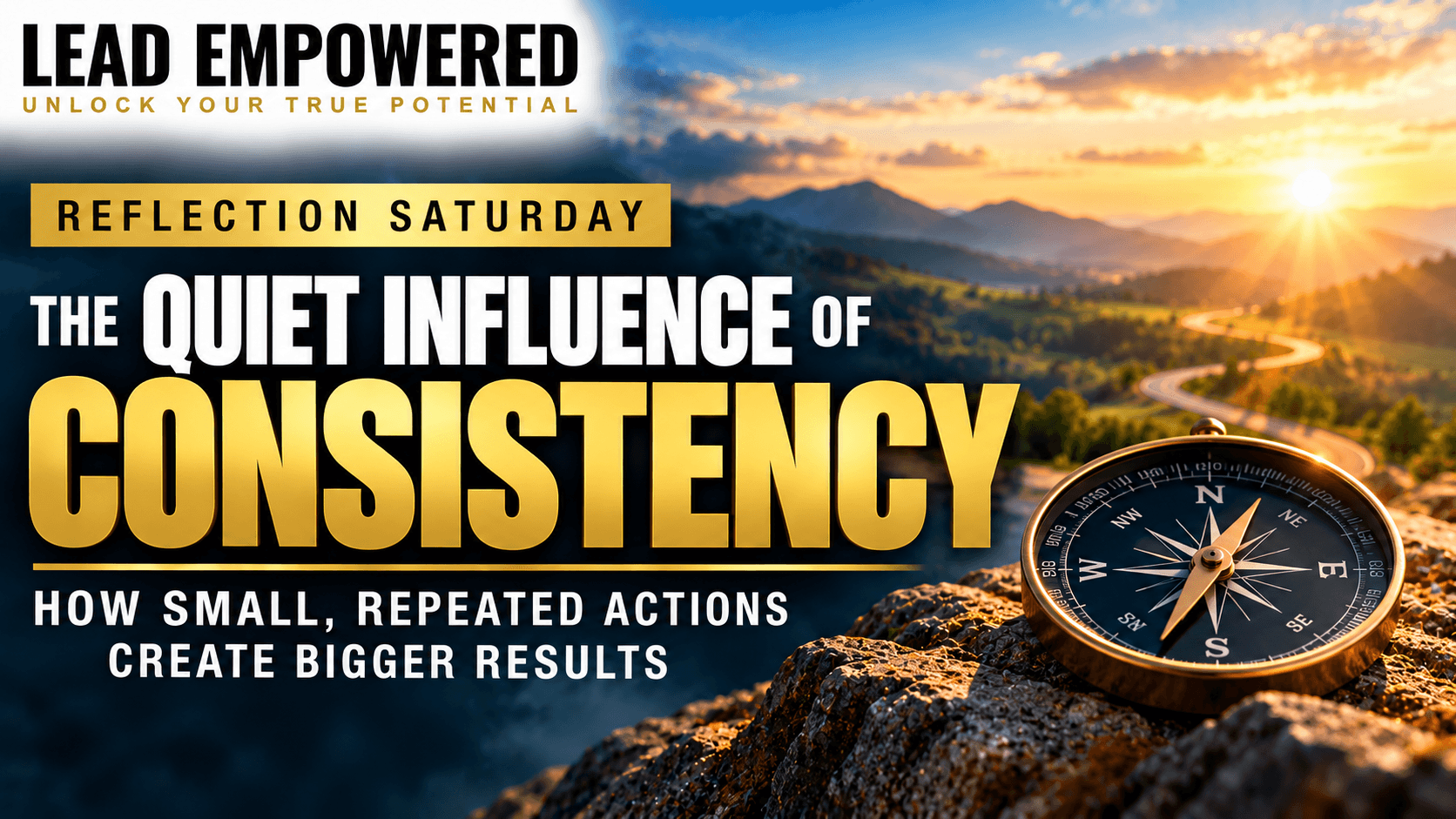
Leadership consistency fosters predictability, enabling employees to focus and trust leaders. Small, everyday behaviors build credibility, revealing what truly matters to leaders over time.
-
Effective leadership in small organizations focuses on developing people, not just achieving results. Prioritize meaningful interactions to foster confidence and ownership among employees.

-
Leaders of small and mid-sized businesses must manage uncertainty by communicating openly, reducing anxiety, and providing clarity, rather than pretending to have all the answers.